Every curly-haired woman has stared at her reflection at some point and wondered what actually happened to her hair. Maybe your curls used to be springy and defined, but now they look limp and undefined. Maybe the ends feel like straw no matter how much you condition them. Or maybe your curls just do not feel like themselves anymore. If any of this sounds familiar, chances are your hair is dealing with some form of damaged curly hair that needs attention.
The tricky part about curly hair damage is that it is not always obvious. It can build up slowly over months or years, and by the time you notice it, you are already deep into a routine that is not working. This guide walks Indian curly-haired women through the three main types of hair damage: chemical damage curly hair, mechanical damage, and protein overload hair. Understanding each one is the first step to healing your curls and preventing further damage.
Understanding What Damage Really Means for Curly Hair
Damaged curly hair is not just about split ends or dryness. It is about the internal structure of the hair strand being disrupted in ways that affect definition, elasticity, moisture retention, and overall hair health. Curly hair, because of its natural shape and raised cuticles, is far more vulnerable to damage than straight hair.
Every strand of curly hair has three layers: the cuticle on the outside, the cortex in the middle, and the medulla in the centre. When any of these layers are affected, whether by chemicals, physical stress, or product overload, your curls start showing signs of struggle. Frizz gets worse. Definition weakens. Ends become brittle. And your natural bounce fades.
The good news is that all three types of damage are recoverable. It takes time, the right products, and gentle habits, but curly hair has an incredible ability to bounce back once you stop what is causing the damage and start supporting the recovery.
Quick Reference: Types of Curly Hair Damage
|
Damage Type |
Common Signs |
How to Fix |
|
Chemical Damage |
Straw-like ends, loss of curl pattern, extreme dryness, split ends multiplying |
Stop all chemical treatments, deep condition weekly, trim damaged ends gradually, avoid heat |
|
Mechanical Damage |
Broken hairs around crown, frizzy midshafts, snapping during detangling, hairline thinning |
Detangle with conditioner, switch to satin pillowcase, use microfibre towel, avoid dry brushing |
|
Protein Overload |
Stiff brittle texture, curls snapping when stretched, hair resisting moisture, dull appearance |
Pause all protein products for 2 to 3 weeks, focus on moisture-only deep conditioning, reintroduce protein slowly |
Type 1: Chemical Damage to Curly Hair
Chemical damage curly hair is one of the most common and severe types of damage Indian curly-haired women deal with. This is because straightening, smoothening, keratin treatments, colouring, and bleaching have been the norm in Indian salons for decades. Many women do not realise that these treatments permanently alter the structure of their hair.
Chemical treatments work by breaking down the natural bonds inside your hair. In curly hair, these bonds are what give your strand its curl pattern. Once broken, they cannot always be fully restored, and the curl pattern becomes weaker or completely disrupted. For a deeper look at how colouring specifically affects curl health, read our guide on colour damage curly hair care.
Common Causes of Chemical Damage
The most frequent causes of chemical damage in Indian curly hair include:
- Permanent straightening or smoothening treatments
- Keratin treatments with harsh chemical bases
- Rebonding of curly hair
- Repeated hair colouring, especially with bleach
- Highlights and balayage on virgin curly hair
- Frequent use of relaxers
Even one round of a strong chemical treatment can cause damage that takes years to fully recover from.
Signs of Chemical Damage
Chemical damage often shows up gradually. Some signs to watch for include:
- Uneven curl regrowth as natural hair emerges
- Extreme dryness at the mid-lengths and ends
- Hair feeling straw-like or crunchy
- Loss of curl elasticity
- Excessive breakage during detangling
- Split ends multiplying quickly
- Ends looking wispy or thin
- Hair struggling to hold moisture
If you notice several of these signs, chemical damage is likely playing a role.
How to Heal Chemical Damage
Damaged curly hair treatment for chemical damage is a slow but rewarding journey. It requires patience and consistency, and there are no shortcuts. The most effective steps include stopping all future chemical treatments, deep conditioning weekly, avoiding heat styling, using CG-friendly products, and trimming damaged ends gradually.
Hair does not repair itself the way skin does. Once damaged, the strand can be strengthened through moisture and protein, but the only way to fully remove damage is to let it grow out and cut it away over time. Most Indian curly-haired women see meaningful recovery within twelve to eighteen months of consistent care.
Type 2: Mechanical Damage to Curly Hair
Mechanical damage happens through physical stress on your hair. This is often the most overlooked type of damage because it results from everyday habits that seem harmless. Brushing dry curls, sleeping on cotton pillowcases, using heat styling tools, and even wearing tight hairstyles are all forms of mechanical damage.
Curly hair is naturally more fragile than straight hair because of its shape. Each bend in a curl is a potential weak point, which is why techniques that would be fine for straight hair can seriously damage curls over time.
Common Causes of Mechanical Damage
The most frequent causes of mechanical damage include:
- Brushing curly hair while it is dry
- Rubbing hair with a rough cotton towel
- Sleeping on cotton pillowcases
- Using regular elastic bands that pull and snag
- Wearing tight ponytails or buns
- Excessive heat styling with straighteners or curling irons
- Blow-drying without a diffuser on high heat
- Over-styling or manipulating curls constantly
Most of these habits were taught to us early in life and continued for years without anyone questioning them.
Signs of Mechanical Damage
Mechanical damage often shows up as:
- Broken hairs of varying lengths around the crown
- Frizzy midshafts and ends
- Fine broken pieces at the top of the head
- Curl pattern breakdown despite proper hydration
- Snapping strands during detangling
- Visible thinning around the hairline
- Split ends that appear even with careful care
Unlike chemical damage, mechanical damage is entirely preventable once you know what is causing it.
How to Prevent and Heal Mechanical Damage
Preventing mechanical damage is much easier than healing it. The key is to be gentle with your curls at every stage. Some gentle habits that make a big difference include:
- Detangling only in the shower with conditioner
- Using a wide-tooth comb or fingers instead of brushes
- Drying hair with a microfiber hair towel for curly hair instead of a rough cotton towel
- Sleeping on a satin pillowcase for curly hair to reduce friction overnight
- Using satin scrunchies for curls instead of tight elastics
- Avoiding heat styling as much as possible
- Diffusing on low heat when needed
- Wearing loose, protective hairstyles
Once you switch to these habits, mechanical damage stops accumulating almost immediately, and your curls start recovering their natural elasticity within weeks.
Type 3: Protein Overload in Curly Hair
Protein overload hair is the least talked about form of curly hair damage, and often the most misunderstood. Many women assume that more protein means healthier hair, but curly hair needs a careful balance of protein and moisture. Too much protein makes hair stiff, dry, and prone to breakage, which is the opposite of what most women expect.
Protein and moisture work together to keep curls strong and hydrated. Protein gives strength and structure, while moisture gives softness and flexibility. When there is too much protein and not enough moisture, curls lose their bounce and start feeling rough.
Common Causes of Protein Overload
Protein overload usually builds up gradually. Common causes include:
- Using multiple protein-heavy products together
- Weekly protein treatments without moisture balance
- Using keratin masks too often
- Deep conditioners with excessive protein content
- Leave-in conditioners rich in proteins
- Styling products with hydrolysed keratin, wheat protein, or silk protein used daily
Curly hair with lower porosity is especially prone to protein overload because it does not need as much protein reinforcement.
Signs of Protein Overload
Protein overload can be confusing because some of its signs look similar to dryness. Key signs to look for include:
- Hair feeling stiff, straw-like, or brittle
- Loss of curl elasticity
- Curls snapping easily when stretched
- Rough, uncomfortable texture
- Hair that resists absorbing moisture
- Reduced curl definition
- Increased tangling and breakage
- Curls looking dull despite hydration
If your hair feels dry no matter how much conditioner you use, protein overload might be the real reason.
How to Fix Protein Overload

Fixing protein overload hair requires focusing on moisture rather than protein. The right steps include:
- Pausing all protein-based products for two to three weeks
- Deep conditioning with a moisture-based mask weekly
- Using the Nourish and Hydrate Curl Conditioner to restore moisture without adding heavy protein
- Rinsing thoroughly to prevent product build-up
- Choosing curl creams with plant-based hydration
-
Introducing protein back gradually in small amounts
Protein vs Moisture Balance: The Sweet Spot
The healthiest curly hair sits in the sweet spot between protein and moisture. Too much of either creates problems.
Signs of well-balanced curls include soft yet strong texture, defined curl pattern, natural bounce, easy detangling, healthy shine, and minimal frizz. When your curls feel like this, your protein and moisture levels are working together beautifully.
Most Indian curly-haired women benefit from moisture-heavy routines with occasional gentle protein treatments. This is because Indian weather, water, and hair textures tend to lean toward dryness rather than protein deficiency.
How to Choose the Right Products for Damaged Curls

Damaged curly hair needs products that hydrate, strengthen, and protect without adding further stress. Good products for damaged curly hair treatment are typically CG-friendly, sulphate-free, silicone-free, and rich in natural hydrating ingredients.
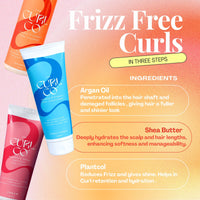
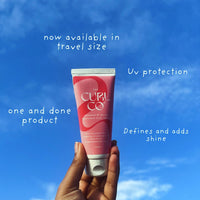
The Enhance and Define Soft Hold Curl Cream combines hydration and light hold in a single product. It is formulated with flaxseed oil, shea butter, and plantcol, which help strengthen and hydrate curls without weighing them down, making it a reliable choice during recovery.
For curls needing extra hold during recovery, The Curl Co.'s Volumize and Defining Gel for Hydrating Curl offers moisture-locked definition and volume without stiffness, making it suitable for damaged curls regaining their pattern.
Building a Recovery Routine for Damaged Curly Hair
A proper curly hair recovery routine focuses on gentle cleansing, deep hydration, protective styling, and consistent scalp care. It is less about doing more and more about doing the right things consistently.
A basic recovery routine looks like this:
- Wash gently once or twice a week with a sulphate-free shampoo
- Follow with a moisture-focused conditioner and detangle in the shower
- Deep condition weekly
- Style with a lightweight curl cream on soaking wet hair
- Air-dry or diffuse on low heat
- Sleep on satin
- Refresh curls between washes with water and a leave-in mist
- Trim damaged ends gradually every three to four months
Explore The Curl Co.'s curly hair care range for products designed to support curly hair through every stage of recovery, whether you are dealing with chemical, mechanical, or protein overload damage.
Common Curly Hair Mistakes That Slow Down Recovery
Even during recovery, small curly hair mistakes can slow the process significantly. Being aware of them helps you stay on track.
Some common mistakes include:
- Continuing chemical treatments during recovery
- Skipping deep conditioning
- Using heat tools frequently
- Trying too many new products at once
- Brushing dry curls
- Sleeping without a satin pillowcase
- Expecting overnight results
Curly hair recovery is a journey. Consistency and gentleness matter more than any single product or treatment.
FAQs
What are the main types of curly hair damage?
The three main types are chemical damage from treatments like straightening or colouring, mechanical damage from friction and improper handling, and protein overload from excessive use of protein-based products.
How do I know if my curly hair is damaged?
Signs of damaged curly hair include frizz that does not respond to hydration, loss of curl definition, split ends, straw-like texture, excessive breakage, and curls that snap easily during detangling.
Can chemical damage in curly hair be reversed?
Chemical damage cannot be fully reversed, but hair can be strengthened through moisture and protein balance. Damaged strands need to grow out and be trimmed over time, usually taking twelve to eighteen months for full recovery.
How do I know if I have protein overload in my curly hair?
Signs of protein overload include stiff straw-like hair, loss of elasticity, easily snapping curls, and hair that feels rough despite regular conditioning. Pause all protein-based products for two to three weeks and focus on moisture-based products to rebalance.
What is the best way to prevent mechanical damage in curly hair?
Detangle only in the shower with conditioner, use a wide-tooth comb or fingers, dry hair with a microfibre towel, sleep on satin pillowcases, use satin scrunchies, and avoid heat styling and tight hairstyles.
Final Word
Understanding the type of damage your curls are dealing with is the first and most important step in recovery. Whether it is chemical damage from years of straightening, mechanical damage from daily habits, or protein overload from the wrong product routine, the solutions exist, and they work. Your curls have not lost their pattern permanently. They just need time, consistency, and the right care to heal.
At The Curl Co., we understand what Indian curls truly go through and what they need to recover. From India's first curly hair stylist-founded brand to CG-friendly products designed for Indian curls and weather, our mission is to help every curly-haired woman heal, strengthen, and celebrate her natural texture, one gentle wash at a time.