There's something every curly-haired woman in India feels by the end of monsoon, and it's not just tired hair. It's that quiet frustration of looking in the mirror and realising your curls just aren't the same anymore. The bounce is gone. The frizz has become a daily companion. And no matter what you try, your hair just refuses to cooperate the way it used to. Monsoon curly hair care in India is genuinely one of the hardest seasonal challenges for textured hair, and if you've been struggling through it, you are certainly not alone.
If you've been feeling this way, your curls are not broken. Weeks of humidity, sudden showers, sweat, and pollution have taken a real toll on your hair, and what it needs now is not another product or a quick fix. It needs a proper reset. For rainproof curly hair tips during the season itself, start with our complete monsoon curly hair care guid, which covers how to protect your curls while the rains are still going. This guide picks up where that one left off, walking you through everything your curls need to fully recover once the monsoon is behind you.
Why the Indian Monsoon Damages Curly Hair More Than Any Other Season
Curly hair is naturally more porous than straight hair, meaning it absorbs and loses moisture much faster. During the Indian monsoon, humidity curly hair concerns peak because humidity levels frequently cross 85%, and in coastal cities like Mumbai, Chennai, and Kochi, they stay above 90% for extended periods. At this humidity level, moisture from the air is absorbed unevenly into the hair strand, causing it to swell and creating that halo of frizz most curly-haired women recognise all too well.
Beyond humidity, several other factors add to monsoon damage:
- Rainwater is slightly acidic, which disrupts scalp pH
- Sweat mixes with styling products and creates build-up
- Dampness slows down drying time, weakening curl structure
- Pollution particles cling to sticky curls more easily
- The scalp reacts with either excess oil or dryness
Understanding this helps shift the focus from blaming your hair to building a monsoon curly hair care routine that supports it through recovery.
What Curly Hair Looks Like After the Monsoon
Most Indian curly-haired women notice their hair feels different by late monsoon. Frizz becomes constant, curl definition weakens, and even the ends look dry and split-prone. The scalp often feels heavier than usual, sometimes oilier or slightly flaky, and even trusted products stop working the way they used to.
These are not signs of permanent damage. They are signs that your hair has been through weeks of environmental stress and now needs a full reset. The right routine, followed consistently for four to six weeks, restores curl definition, moisture, and shine beautifully.
The Science of Frizz and How to Truly Fix It
Frizz is one of the most misunderstood aspects of curly hair. It is not a sign of damaged hair, but a sign of dehydrated hair. When curly hair lacks internal hydration, the cuticle stays open and continuously absorbs moisture from the air. This is what creates frizz control monsoon challenges that feel impossible to solve with just one product.
Well-hydrated curly hair has a sealed cuticle. This keeps moisture inside the strand while preventing external humidity from swelling the hair. The solution to frizz is not to remove moisture from the hair, but to strengthen its ability to retain it. This is achieved through gentle cleansing, deep conditioning, and lightweight styling products layered in the right order.
Step One: Clarifying Weeks of Build-Up

The first step in post-monsoon curl recovery is a proper clarifying wash. Weeks of humidity curly hair exposure often prevent products from being completely rinsed out. Over time, a subtle coating forms on the scalp and hair strands from curl creams, gels, sweat, pollution, and rainwater residue. This build-up is often the reason why favourite products suddenly stop performing well.
A clarifying wash should be gentle, sulphate-free, and CG-friendly. The scalp needs a proper massage during shampooing, using fingertips rather than nails. Rinsing should be thorough. In some cases, a second wash may be needed if the hair feels particularly heavy.
The Curl Co.'s Cleanse and Hydrate Curl Shampoo is formulated specifically for this kind of reset. It gently lifts build-up without stripping the natural oils that curly hair needs to stay healthy. Even one wash with the right shampoo makes a visible difference in how the hair feels.
Step Two: Deep Conditioning for Hydration Recovery

After clarifying, the hair needs deep hydration. During monsoon, moisture has been moving in and out of the strand constantly, leaving the hair in a state of low-grade dehydration. Deep conditioning restores this hydration and helps close the raised cuticles that have been triggering frizz.
Conditioner should be applied generously from mid-lengths to ends and detangled inside the shower using fingers or a wide-tooth comb. This is the most important detangling rule for curly hair. Dry detangling with a brush disrupts the curl pattern and creates long-term frizz. The conditioner should be left in for at least twenty minutes, then rinsed gently with cool water, leaving a hint of slip on the hair for softness.
The Curl Co.'s Nourish and Hydrate Curl Conditioner provides deep hydration while remaining lightweight enough not to weigh curls down during recovery. For the first month after monsoon, deep conditioning every five to seven days makes a significant difference in curl recovery.
Step Three: Styling Curls That Are Still Recovering

Styling recovering curls requires a lighter touch than usual. Curls that are still restoring their pattern do not need heavy stylers, thick creams, or strong holds. They need gentle definition and consistent hydration.
The most important styling rule for rainproof curly hair tips is to apply products on soaking wet hair, not damp hair. Water is what activates curl cream and helps the product distribute evenly through every strand. A small amount of curl cream, warmed slightly in the palms, should be applied using the praying-hands method along the length of the hair. This is followed by gentle scrunching from the ends upward to encourage curl formation.
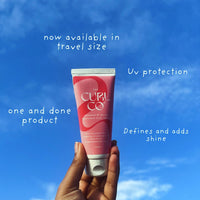
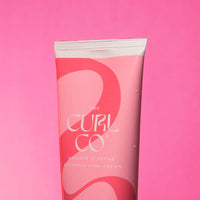
The Curl Co.'s Softhold Curl Cream is India's first gel-based curl cream. It offers hydration and definition without creating any crunch or cast, which makes it ideal for recovery-mode curls. If humidity is still lingering in the environment, a small amount of anti-frizz serum applied only to the mid-lengths and ends creates a light barrier that helps curls hold their shape longer through the day.
For curls needing more hold during recovery, The Curl Co.'s Volumize and Defining Gel for Hydrating Curl adds volume and moisture-locked definition without stiffness or crunch, making it a good layering option over curl cream for stubborn post-monsoon frizz.
Step Four: Drying Curls the Right Way

The drying process is where many curls lose their definition unnecessarily. Rubbing hair with a regular cotton towel breaks the curl pattern and creates significant frizz. Instead, excess water should be gently squeezed out using an old cotton T-shirt or a microfibre towel.
Plopping is a particularly effective method during recovery. Wrapping the hair in a T-shirt for fifteen to twenty minutes absorbs excess moisture while preserving curl formation. After plopping, curls can either be air-dried or diffuse-dried on low heat. In post-monsoon weather, diffusing on low heat is often the better choice, as full air-drying in humid conditions leaves hair damp for hours, which invites more frizz.
Scalp Recovery: The Step Most Women Skip
The scalp goes through significant stress during monsoon. Sweat, humidity, product residue, and pollution create the perfect environment for irritation, oiliness, and even mild dandruff. If the scalp is congested or unbalanced, curls cannot recover fully.
A few gentle scalp care habits during recovery include:
- Washing hair every five to seven days
- Using a soft scalp brush during shampooing
- Massaging the scalp with fingertips, not nails
- Doing a monthly clarifying wash for full reset
- Avoiding heavy scalp oiling during recovery
Light oils such as almond or grapeseed can be applied to the scalp as pre-shampoo treatments. Heavy oils like coconut oil should be avoided during this period, as they are difficult to fully wash out and can trap the very build-up recovery is trying to clear.
Anti-Frizz Techniques That Support Long-Term Recovery

Frizz control monsoon season demands is not achieved by a single product but by a combination of techniques and consistent habits.
The praying-hands method smooths products through the hair without breaking curl clumps. Squishing conditioner into wet hair inside the shower helps saturate every strand with moisture. Plopping absorbs excess water gently. Diffusing on low heat seals the outer curl cast. And finishing with a small amount of anti-frizz serum creates a lightweight barrier that helps curls resist re-absorbing humidity curly hair struggles throughout the day.
The Curl Co.'s Anti-Frizz Serum is a lightweight finisher that smooths the outer strand, adds shine, and provides gentle protection against remaining humidity in the post-monsoon transition.
How Long Recovery Typically Takes
Curl recovery is a gradual process, not an overnight fix. For most Indian curly-haired women, four to six weeks of consistent monsoon curly hair care brings noticeable improvement.
The first two weeks may feel slow, with curls still appearing frizzy or stringy despite proper care. Around week three, curls start holding their shape longer between washes. By week four, definition improves visibly, and by six weeks, most women report that their curls look better than they did before monsoon. Patience is often the most difficult part of recovery, but consistent care over these weeks builds the long-term foundation that keeps curls healthy through every future season.
Habits That Build Long-Term Curl Health
Once recovery is well underway, the focus shifts to maintaining healthy curls year-round.
The most impactful long-term habits include:
- Sleeping on satin or silk pillowcases to reduce friction
- Refreshing curls between washes with water and leave-in mist
- Trimming ends every three to four months
- Following a modified Curly Girl Method consistently
- Using CG-friendly products designed for Indian weather
Curly hair thrives when it is worked with, not against. The women whose curls look their healthiest are those who observe what their hair needs and adjust their routine accordingly. Explore The Curl Co.'s complete curl care range to build a routine that supports your curls through every Indian season.
FAQs
1. Why does curly hair become so frizzy in the monsoon?
Monsoon curly hair care challenges start because humidity crosses 85% in most Indian cities, causing moisture from the air to enter the hair shaft unevenly. This uneven swelling of the strand creates frizz. Well-hydrated curls with sealed cuticles resist humidity curly hair damage better than dehydrated curls.
2. How do I fix curly hair after weeks of monsoon damage?
Start with a gentle clarifying shampoo to lift build-up, follow with a deep conditioning treatment for hydration, and style with a lightweight curl cream on soaking wet hair. Deep condition weekly for the first month to rebuild moisture and cuticle strength. These are the most effective rainproof curly hair tips for post-monsoon recovery.
3. Should I stop oiling my curls after monsoon?
Lightweight oils on the scalp are fine as pre-shampoo treatments. Heavy oils like coconut oil should be avoided on the strands during recovery, as they can trap moisture and build-up.
4. How often should curls be washed after monsoon?
For the first month of recovery, washing every five to seven days works well for most Indian curly-haired women. This clears scalp residue, sweat, and pollution while allowing consistent deep conditioning.
5. Can the monsoon permanently damage the curl pattern?
No. Weakened cuticles and disrupted curl definition after monsoon are always reversible with the right routine. Four to six weeks of consistent frizz control monsoon recovery care restores the pattern beautifully.
6. Where can I find monsoon curly hair care products in India?
The Curl Co. offers a range of CG-friendly, India-made curly hair products designed specifically for Indian curls and Indian weather. Explore the full collection at The Curl Co.'s product page.
Final Word
The Indian monsoon puts curly hair through a lot, but no amount of damage from a single season is permanent. With the right monsoon curly hair care routine, the right products, and a little patience, curls bounce back stronger, healthier, and more defined than before.
At The Curl Co., we have spent years understanding what Indian curls truly need through every season. From India's first curly hair stylist-founded brand to CG-friendly products designed for Indian weather challenges, our mission is simple, to help every Indian curly-haired woman restore, protect, and celebrate her natural texture. Post-monsoon is not a season of damage. It is a season of restoration.