If you've ever stepped out with perfectly defined curls and come home three hours later with a frizzy halo, you already know: curly hair in India plays by different rules. Between hard water, 70-85% humidity in cities like Mumbai, and scorching dry winters up north, keeping curly hair moisture in your curls is a full-time job, not a one-size-fits-all routine copied from a US or UK haircare guide.
Here's a moisture routine built specifically for Indian curls, whether you're just starting to hydrate curly hair or trying to fix a routine that isn't working anymore.
Why "Just Drink More Water" Doesn't Fix Dry Curls
A lot of curly hair advice treats dryness like a simple math problem: add more product, add more oil, add more conditioner. But curls don't get dry because you're not using enough. They get dry because of how the hair is structured and what it's exposed to every day. Understanding the why behind the dryness is what makes a routine actually stick, instead of you buying five new products every few months hoping one finally works.
Why Indian Curly Hair Loses Moisture Faster
Curly hair is naturally drier than straight hair, since the twists in each strand make it harder for scalp oil to travel down the shaft. In India, three extra factors make this worse:
- Hard water: Most Indian cities have high mineral content in tap water. Calcium and magnesium build up on the hair shaft over time, blocking moisture from penetrating and leaving curls feeling rough.
- Humidity swings: High humidity doesn't always mean hydrated hair. If your cuticle is raised (common with heat damage or chemical treatments), moisture rushes in and rushes back out within hours, and that's the frizz you see by afternoon.
- Seasonal extremes: Monsoon humidity, brutal summer heat, and dry northern winters each demand a different moisture strategy, not the same routine year-round.
None of these factors are things a generic international routine accounts for, which is exactly why so many people with curly hair in India feel like they've "tried everything" and still end up frizzy or dry by mid-day. If you've searched for how to check hair porosity or wondered why humidity curly hair problems keep coming back, the answer usually starts here.
Know Your Porosity First
Before picking products, figure out your hair's porosity, meaning how easily it absorbs and holds moisture:
- Low porosity: The cuticle lies flat, so moisture struggles to get in. Needs lightweight, water-based products and gentle heat to help absorption. A low porosity hair routine usually skips heavy butters entirely.
- Medium porosity: Absorbs and retains moisture well, and is the easiest to manage.
- High porosity: Common in India due to heat styling, sun exposure, and hard water. High porosity hair absorbs moisture fast but loses it just as fast, and needs richer creams and regular protein-moisture balance.
Knowing your porosity changes which products actually work for you, not just how many you use. It's the difference between a good hair moisturizer for curly hair working for you and the same product leaving you flat or greasy.
A quick way to check: drop a clean strand of hair into a glass of water. If it sinks fast, you likely have high porosity. If it floats for several minutes, you're probably low porosity. Somewhere in between usually means medium porosity. This isn't a lab-grade test, but it's a useful starting point before you start layering products.
Product Order Matters More Than Product Count
One of the biggest reasons curls stay dry, even with "good" products, is applying them in the wrong order or on the wrong hair state. Moisture-sealing ingredients like oils and butters work only if there's already water or a water-based product underneath them. They can't add moisture, only lock in what's already there. That's why the order below matters as much as the products themselves: water-based cleanse, water-based conditioner, water-based styler, and then an oil to seal. Skip a step, or reverse the order, and you're sealing in dryness instead of moisture.
The Daily Moisture Routine
1. Cleanse with a sulfate-free, moisturizing shampoo:

Sulfates strip natural oils your curls can't afford to lose. A good sulfate free shampoo for curly hair is where every routine should start. Use The Curl Co.'s Cleanse and Hydrate Curl Shampoo for a gentle cleanse that doesn't undo the moisture you're trying to build.
2. Condition generously: this is non-negotiable:

Apply Nourish and Hydrate Curl Conditioner mid-length to ends and detangle with your fingers or a wide-tooth comb while it's still in. This is the step most people rush, and it's the one that matters most for Indian hard-water hair. A good curl cream and conditioner moisture bundle for curly hair makes this step easier since the products are already formulated to work together.
3. Style with a rich curl cream on damp hair:

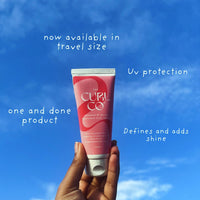
Soft hold Curl Cream locks in the water your hair just absorbed. Apply to soaking-wet hair, scrunch upward, and either air-dry or diffuse.
For extra hold on humid or high-porosity days, The Curl Co.'s Volumize and Defining Gel for Hydrating Curl can be layered over the curl cream for stronger definition and moisture-locked volume without stiffness.
4. Seal with a lightweight oil.:
A few drops of argan or jojoba oil on your ends after styling seals in moisture and fights the humidity-driven frizz Indian curls deal with daily. Avoid heavy oils like coconut oil on fine or high-porosity curls, since it can cause protein overload and leave hair feeling stiff.
Season-Wise Adjustments for India
Indian weather isn't one climate. It's several, often within the same year, sometimes within the same week. Adjusting your routine by season is one of the most overlooked ways to keep curls consistently moisturized, and it's central to good monsoon curly hair care. Getting curls hydration right through every season is what actually separates a routine that works from one you keep abandoning.
- Summer: Heat and sweat mean your scalp produces more oil, but your curls can still be moisture-starved at the ends. Switch to lighter, water-based leave-ins, and refresh curls midday with a water mist rather than piling on more cream, which can weigh curls down in the heat.
- Monsoon: This is peak frizz season because of the humidity swings described earlier. Use an anti-humidity styling cream, avoid heavy butters that trap moisture unevenly under humid air, and stretch out your wash days to every 2-3 days instead of restyling daily, which can overload hair with product.
- Winter: Dry air, especially in North India, pulls moisture out of hair fast. Increase deep-conditioning frequency to once or twice a week, switch to a richer curl cream for more hold and hydration, and never skip the oil-sealing step.
A routine that works perfectly in July will likely under-perform in December, and vice versa. Building in small seasonal swaps saves you from constantly switching your entire product lineup.
Common Mistakes That Dry Out Curls
These are the curly hair mistakes we see most often, and each one quietly undoes the moisture you've worked to build:
- Brushing dry hair: Breaks up curl clumps and creates frizz. Only detangle with conditioner in, using fingers or a wide-tooth comb.
- Skipping a clarifying wash: Hard water buildup needs a clarifying shampoo every 10-15 days, or your regular products can't do their job.
- Overusing coconut oil: Deeply penetrating, great for scalp health, but can cause protein overload on fine or high-porosity curls if used too often.
- Washing too frequently: Over-washing strips natural oils. 1-2 washes a week is usually enough for curly textures.
- Using too much heat without protection: Blow-drying or diffusing on high heat without a heat protectant breaks down the hair's protein structure over time, making it harder to hold moisture no matter how good your products are. If your curls are already showing signs of damage, a proper damaged curly hair treatment (deep conditioning mask, protein-moisture balancing) should come before you go back to your regular routine.
- Ignoring your ends: The ends of your hair are the oldest and driest part, since they've been through the most washing, styling, and exposure. Focus extra product and extra care there rather than distributing everything evenly from root to tip.
Sleeping and Protecting Your Curls
Moisture doesn't stop mattering once you've styled your hair for the day. How you sleep affects it too. Cotton pillowcases absorb moisture out of your curls overnight and create friction that leads to frizz and tangles by morning. Switching to a satin or silk pillowcase, or wrapping curls in a satin/silk bonnet before bed, protects the moisture you worked to lock in and helps curls last longer between wash days. It's a small habit that makes a noticeably bigger difference in humid Indian cities where curls already lose definition fast.
FAQ
How often should you wash curly hair in India's climate?
1-2 times a week for most curl types, with a clarifying wash every 10-15 days to remove hard-water buildup.
How do I refresh curly hair between wash days?
If you're figuring out how to refresh curly hair between wash days, use a water mist with a small amount of leave-in conditioner, scrunch gently, and avoid touching curls too much once they've dried, which can create frizz.
Are oils enough to keep curly hair moisturized?
No, oils seal moisture in but don't add it. Always start with a water-based leave-in or cream, then seal with oil.
What if my curls still feel dry after washing?
Check for sulfates or drying alcohols in your shampoo, make sure you're conditioning generously, and consider whether hard water buildup needs a clarifying wash.
Can I use curl cream every day, or only on wash days?
Curl cream is meant for wash days when hair is damp and freshly conditioned, since that's when it can lock in moisture effectively. Between washes, refresh curls with a water mist rather than reapplying cream to dry hair, which can leave curls looking crunchy or product-heavy without adding real hydration.
Does the amount of product matter, or just the type?
Both. Too little product on dry, undernourished curls won't be enough to combat Indian humidity or hard water; too much on already-moisturized hair can leave curls weighed down and greasy-looking. Start with a small amount, focus on mid-lengths to ends, and add more only if your ends still feel dry after styling.
Final Thoughts
There's no universal curly hair routine, especially not in India, where climate and water quality vary city to city. Start with understanding your porosity, build a routine around Indian humidity and hard water, and adjust it season to season. Moisturizing curly hair consistently, not occasionally, is what actually changes how your curls look and feel week over week. Get the hydration for curly hair right, and everything else, definition, frizz control, styling, becomes easier. With the right products and a little patience, moisturized, defined curls are absolutely achievable.