Every curly-haired woman in India has stood in front of the mirror at some point and wondered the same thing. Why is curly hair frizzy even after you washed it, conditioned it, and styled it with the products everyone recommends? By afternoon, your curls look nothing like they did in the morning. The definition is gone. The bounce has disappeared. And that halo of frizz has taken over.
The truth is, frizz is one of the most misunderstood parts of curly hair. Most women grow up thinking their hair is damaged, unmanageable, or somehow different from other curls, and as we explored in growing up with curly hair in India, this feeling runs deep for Indian women. But frizz is not a flaw in your hair. It's a signal. It's your hair telling you exactly what it needs, and once you understand that language, everything starts to change.
Understanding What Frizz Actually Is
Frizz is not a sign of unhealthy hair. It's a sign of dehydrated hair. When your curls lack internal moisture, the outer layer of your hair strand, called the cuticle, stays open and raised. This raised cuticle allows moisture from the air to enter the hair shaft, and once it enters, it swells the strand from within. This uneven swelling is what creates that fuzzy, halo-like effect we all recognise as frizz.
Well-hydrated curls have sealed cuticles. This keeps moisture locked inside the strand while preventing external humidity from disrupting the curl pattern. This is why how to stop hair frizz is never about removing moisture from your hair. It's about strengthening your hair's ability to hold on to it. Once you understand this shift, your entire approach to curl care changes.
Frizz is also more common in curly hair than straight hair simply because of structure. Curly hair naturally has more raised cuticles, which makes it more porous and more reactive to weather, products, and touch. This is why two women can wash their hair with the same shampoo, and the one with curls will experience more frizz.
The Real Causes of Frizzy Curly Hair
Frizzy curly hair reasons are rarely just one thing. Frizz happens due to a combination of environmental, product, and habit-based factors that most women are not aware of. Once you know the real causes, you can start eliminating them one by one.
Some of the most common causes of frizzy hair include:
- Lack of internal hydration in the hair shaft
- Humidity in the environment, especially during monsoon
- Using sulphate-based shampoos that strip natural moisture
- Silicone-heavy products that block moisture from entering
- Brushing curly hair while it's dry
- Sleeping on cotton pillowcases that absorb moisture
- Rubbing hair with a regular cotton towel after washing
- Applying styling products on damp or dry hair instead of soaking wet
- Skipping deep conditioning treatments
- Over-shampooing and stripping natural oils
Understanding these causes helps you identify what is actually happening to your hair rather than just treating the symptoms.
Why Indian Weather Makes Curly Hair Frizzier
If you feel like your curls behave differently in India compared to other places, you are absolutely right. Indian weather is one of the biggest frizzy curly hair reasons for women here. During the monsoon, humidity levels frequently cross 85%. Summer temperatures often push above 40°C, drying out curls faster. Winter, especially in North India, brings cold, dry air that pulls moisture out of your strands. And pollution across Indian cities settles into your hair and scalp, adding another layer to the problem.
All of this means that Indian curly-haired women need a routine that adapts to weather, not one that stays the same all year. Your hair in July is dealing with completely different challenges than your hair in December, and treating it the same way often leads to frustration. For a detailed guide on managing your curls specifically during the rainy season, The Curl Co.'s ultimate monsoon haircare guide covers everything you need to know.
The Role of Porosity in Frizz
Not every curl is the same, and understanding your porosity type is one of the most important steps in managing frizz. Porosity refers to how well your hair absorbs and retains moisture, and it plays a huge role in the causes of frizzy hair that most women experience.
There are three types of porosity to know:
- Low porosity hair: Water beads on the surface and takes time to absorb. Needs lightweight products.
- Medium porosity hair: Absorbs and retains moisture well. Easiest to manage.
- High porosity hair: Absorbs moisture quickly but loses it just as fast. Needs richer, heavier products.
Most Indian curly-haired women have medium to high porosity hair, especially after years of oiling, chemical treatments, or heat styling. This is why moisture-focused routines with sealing techniques work so well for controlling frizz.
Products That Actually Reduce Frizz

Choosing the right products is one of the biggest game-changers in your curl journey. How to stop hair frizz effectively means hydrating your hair from the inside and sealing it properly on the outside. The best kind of products for frizzy curly hair are CG-friendly, which means they avoid sulphates, silicones, parabens, and drying alcohols. These ingredients might feel effective at first, but over time they strip moisture from your curls and make frizz worse.
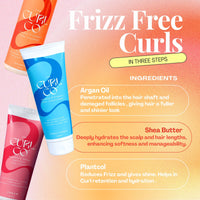
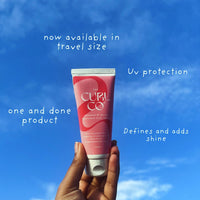
The Curl Co.'s Enhance and Define Soft Hold Curl Cream is a product built to combat frizz specifically for Indian curls. It combines the moisture of a leave-in conditioner with the light hold of a soft gel, giving your curls hydration and definition without any crunch. It's especially suited for Indian curly-haired women dealing with weather-related frizz through every season.
For curls that need extra hold along with frizz control, The Curl Co.'s Volumize and Defining Gel for Hydrating Curl adds volume and moisture-locked definition without stiffness or crunch.
How to Style Curls to Minimise Frizz
Even with the right products, styling technique makes a huge difference in why is curly hair frizzy through the day. Most Indian women were never taught proper curl styling techniques, which is why the same products can produce very different results depending on how they're applied.
A few key styling techniques that reduce frizz include:
- Apply styling products on soaking wet hair, not damp or dry
- Use the praying-hands method to smooth product through hair
- Scrunch curls gently from the ends upward to encourage formation
- Avoid touching your curls while they dry
- Dry hair with a cotton T-shirt or microfibre towel, not a regular towel
- Diffuse on low heat instead of air-drying in humid weather
Following these techniques consistently can transform even the frizziest curls into defined, healthy-looking ones within a few weeks.
Anti-Frizz Habits That Work Long-Term

Frizz is often a result of daily habits rather than one big mistake. Building small, consistent habits into your routine is what creates long-term frizz control for Indian curls.
Some of the most effective daily habits include:
- Sleeping on a satin or silk pillowcase to reduce friction
- Refreshing curls between washes with water and leave-in mist
- Using a satin scrunchie for pineapple styles overnight
- Applying a frizz control serum on the ends before humid days
- Avoiding tight hairstyles that pull on the roots
-
Deep conditioning at least once a week
The Curl Co.'s Frizz Control and Shine Hair Serum is a lightweight finisher that smooths flyaways, adds shine, and creates a soft barrier against humidity. It's the kind of product you carry with you for those moments when Indian weather starts winning against your curls.
Frizz Fixes That Actually Don't Work
There's a lot of misinformation around how to stop hair frizz in India. Many of the traditional or salon-suggested fixes actually make frizz worse over time.
Some common frizz fixes to avoid include:
- Daily heavy oiling that weighs curls down
- Chemical straightening or smoothening treatments
- Blow-drying hair straight to remove frizz
- Using serums with silicones that create build-up
- Constantly touching or fluffing curls throughout the day
- Combing hair when it's dry
These approaches might offer short-term smoothness, but they cause long-term damage that ultimately makes frizzy curly hair harder to manage.
When Frizz Is Actually a Sign of Damage
Sometimes, frizz is not just about hydration. It can be a sign that your hair has been damaged by chemical treatments, heat styling, or years of harsh product use. In these cases, frizz becomes more stubborn and doesn't respond as easily to standard hydration routines.
Signs that your frizz may be damage-related include split ends, uneven curl patterns across the head, hair feeling straw-like at the ends, breakage during detangling, and reduced curl elasticity. If you notice these signs, your hair may need more than just hydration. It may need a full recovery routine involving deep conditioning, gentle protein treatments, and possibly a haircut to remove damaged ends. For a complete understanding of the different types of curl damage and how to address each one, read The Curl Co.'s guide on curly hair damage guide.
Even damage-related frizz is fully reversible with time and consistent care. It just takes patience and the right products designed to rebuild both moisture and strength.
Building a Frizz-Free Curl Routine

The path to defined, frizz-free curls is not about one magic product. It's about building a routine that supports your hair through cleansing, conditioning, styling, drying, and sleeping stages.
A good frizzy curly hair recovery routine for Indian women looks like this. Start with The Curl Co.'s Cleanse and Hydrate Curl Shampoo, which gently lifts build-up, sweat, and pollution without stripping the natural oils your curls depend on to stay hydrated. Follow with The Curl Co.'s Nourish and Hydrate Curl Conditioner for deep hydration and easy detangling inside the shower. Style on soaking wet hair with a lightweight curl cream. Dry gently with a T-shirt or diffuse on low heat. Sleep on satin or silk. And refresh gently between washes with water and a light leave-in mist.
FAQs
1. Why is my curly hair always frizzy?
Why is curly hair frizzy comes down to one main reason: dehydration. The cuticle stays raised, allowing humidity from the air to enter and swell the strand unevenly. Well-hydrated curls with sealed cuticles resist frizz much better.
2. What are the main causes of frizzy curly hair in India?
The biggest causes of frizzy hair in India include humidity above 85% during monsoons, extreme summer heat, dry winter air, sulphate shampoos, over-oiling, and heat styling. All of these disrupt the moisture balance of curly hair.
3. How do I stop my curly hair from frizzing?
How to stop hair frizz starts with hydration. Use CG-friendly shampoos and conditioners, apply curl cream on soaking wet hair, dry with a T-shirt or diffuser, and sleep on a satin pillowcase. Consistency matters more than any single product.
4. Does oiling reduce frizz in curly hair?
Not always. Heavy oiling can weigh down curls and coat them without actually hydrating them. Lightweight oils on the scalp as pre-shampoo treatments can help, but relying only on oil for frizzy curly hair control is not effective.
5. Can chemical straightening fix frizz permanently?
No. Chemical straightening alters the hair's natural bonds, causing long-term damage that eventually leads to even more frizzy curly hair reasons once the treatment fades. It also weakens hair over time and damages the curl pattern permanently.
6. What is the best routine for frizz-free curly hair in India?
A sulphate-free shampoo, a hydrating conditioner, a lightweight curl cream applied on soaking wet hair, a frizz control serum as a finishing step, and satin sleep protection together form the most effective routine for managing frizzy curly hair through Indian weather.
Final Word
Frizz is not the enemy of curly hair. It's simply your hair asking for the care it never received. Once you understand that frizz is a signal for hydration, not a symptom of damage, everything changes. The right products, gentle techniques, and consistent habits transform even the frizziest curls into defined, healthy ones.
At The Curl Co., we've spent years understanding why Indian curls frizz and how to fix it at the root. From India's first curly hair stylist-founded brand to CG-friendly products designed for Indian weather, our mission is to help every curly-haired woman find her way to healthier, happier, and frizz-free curls.